

A show about relationships with the land
There are many ways to listen to the show: Listen live on CFRU 93.3 fm broadcasting from the University of Guelph Mondays at 6pm EST or listen to the podcast via Spotify, Apple, or just follow the rss feed.

Ep. 212 : Voices of the Spring Birds
Listening to the more than human world is a fundamental piece of learning from the land. It decenters the human and allows us a chance to participate in the always ongoing conversations between birds, winds, trees, rivers, insects, and all the myriad of forms which inhabit the worlds we too inhabit.
This episode is a return to ritualized listening. While I try to listen all of the time, it’s around this time of year when my ears really pick up on novel sounds, calls and songs which have been missing from my local bioregion since at least the Fall, but some since the previous Spring. The theme of this show, of recording the early morning bird song in the warming days of Spring, recurs every year, and has since the last four years I believe. Its a good ritual to maintain.
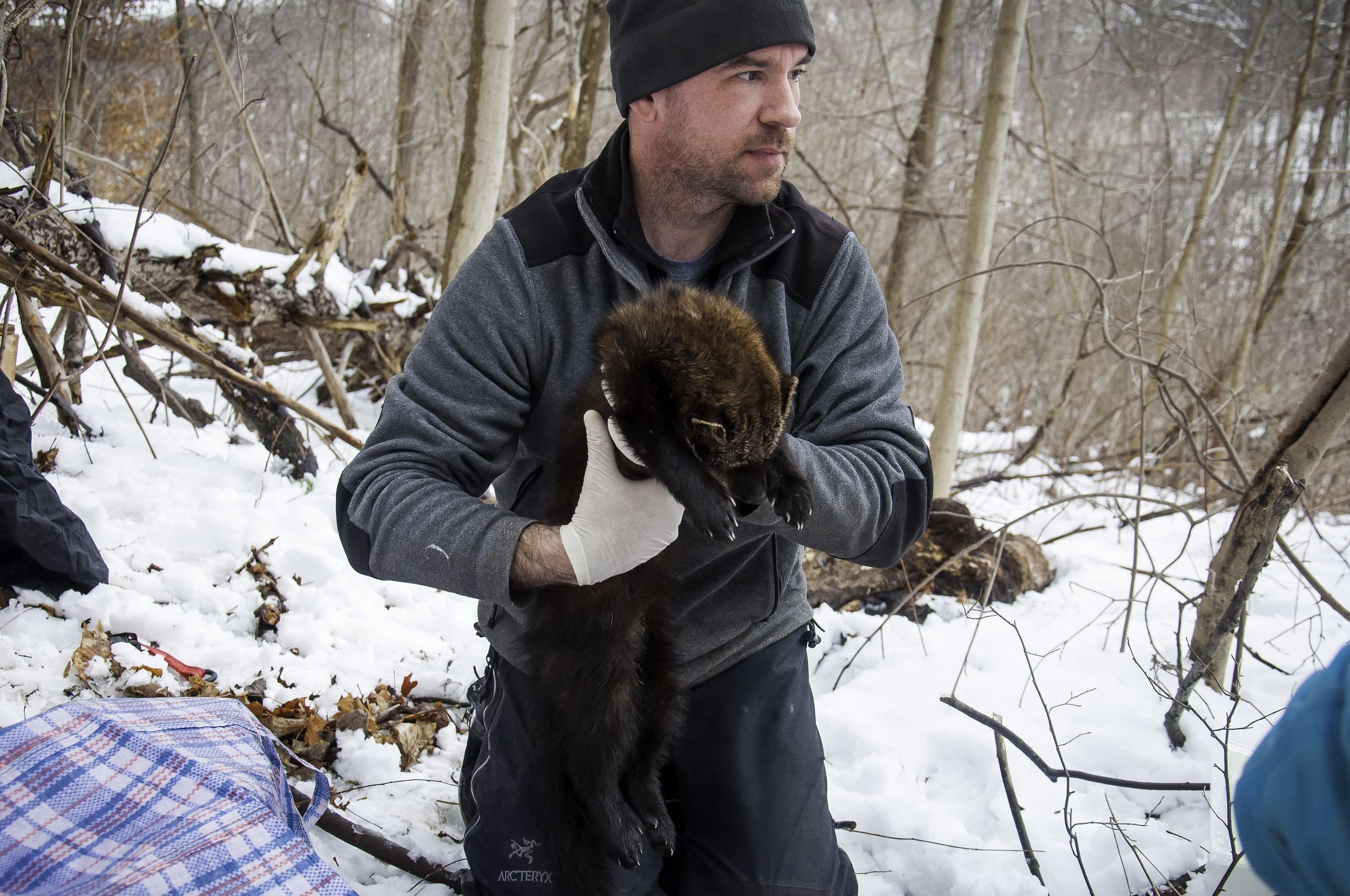
Ep. 211 : Fisher Researcher Dr. Scott LaPoint
Recently while tracking a Fisher in Algonquin Park we encountered a large galloping trail that had a long stride length of 106 cm (41¾ in). This was about 28 cm (10 in) longer than what is recorded in Mark Elbroch's “Mammal Tracks and Sign” (Stackpole, 2019). When I finished measuring, I was discussing this extraordinarily long stride with some colleagues. They told me about a National Geographic article, based on a paper about increasing body sizes and range expansion of Fishers in the Northeast. I was immediately interested. When I got home from Algonquin, I looked the paper up. I read the abstract but I had to find out more so I wrote to the author, Dr. Scott LaPoint, to see if he could help answer my questions and be game for an interview. He was in.
Ep. 210 : BIPOC Outdoor Gear Library
Over and over on this podcast (and through the blog) I have spoken to the need to be outdoors and the value for us emotionally, physically, spiritually and socially in participating with the wider wilder world around us. But when these opportunities are interrupted by white-supremacist narratives on who belongs outdoors, the BIPOC Outdoor Gear Library steps up and reminds us that everyone belongs outside!
BIPOC Outdoor Gear Library is a community-based lending library focused on providing access to outdoor equipment for the BIPOC communities of (so-called) Guelph and the surrounding areas. Their gear list includes snowshoes, kayaks, camp stoves, fishing poles, bikes, coolers, sleeping bags, and so much more. But it doesn’t end there. There are events like social hikes, yoga and meditation, archery, cross-country skiing outings, even an overnight camping and paddling weekend!
Ep. 209 : Tracker Certification North America
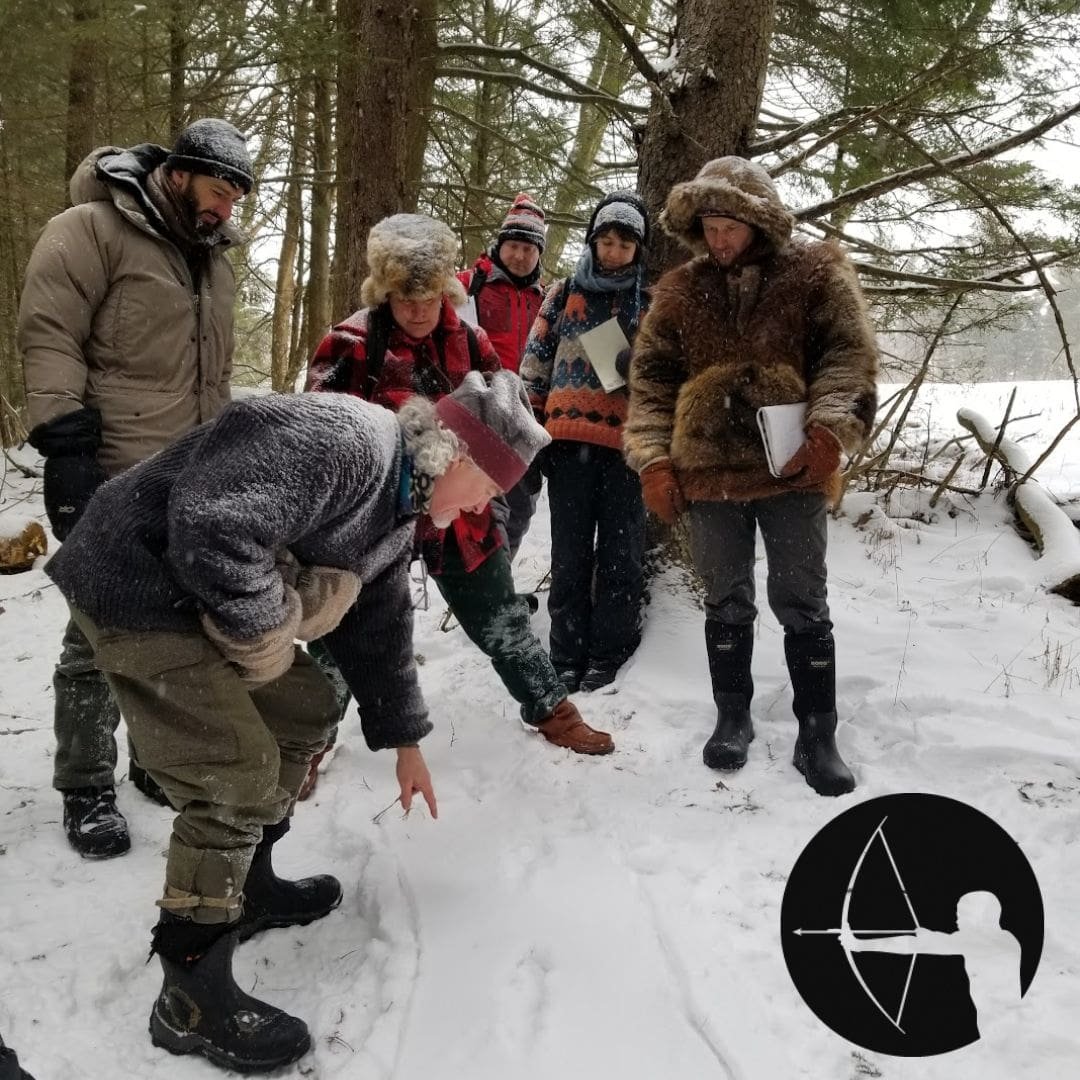
Tracker Certification North America is an evaluating body in the field of wildlife tracking and trailing, and so much more. They host evaluations which double as in depth community tracking and trailing training sessions, going deep on the explanations and pointing out how the evaluator can see what they can see. This process encourages dialogue, feedback and reflection, community discussion and a deeper understanding of the trails the animals are leaving behind.
Ep. 208 : Stop Cop City
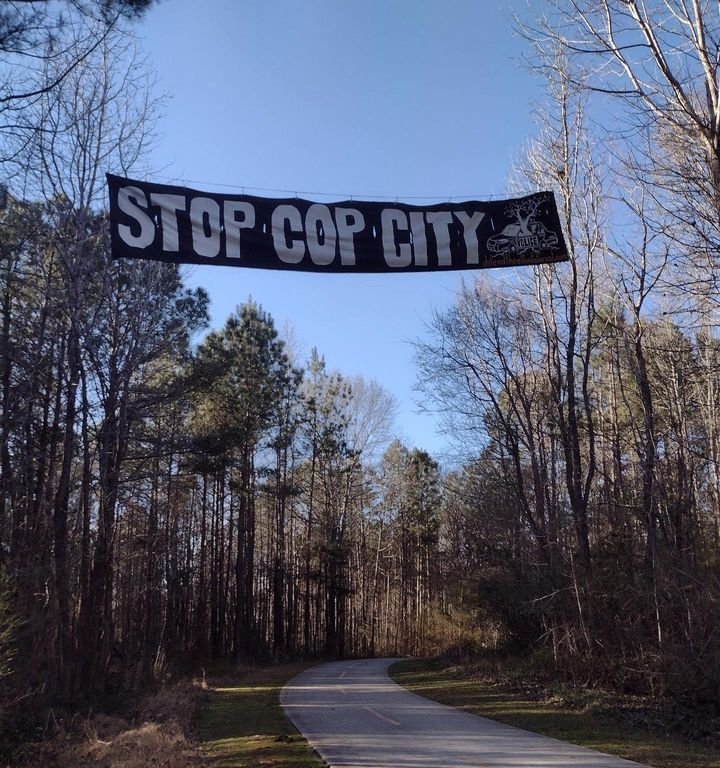
Cop City is an urban warfare training facility being built on the South side of Atlanta. To construct this sprawling $90 million compound stretching 85 acres, developers are bulldozing a forest. The stated motive for this project was to boost morale of police in the wake of the George Floyd uprisings, which showed that the public in Atlanta and elsewhere had lessening faith in the role of policing in keeping them safe.
I got to speak with Leila about the history and ongoing progress of the campaign, how it has evolved, how public support continues to grow for the Stop Cop City movement, and how many local institutions, such as local universities and major corporations are revoking support or outright condemning the training facility.
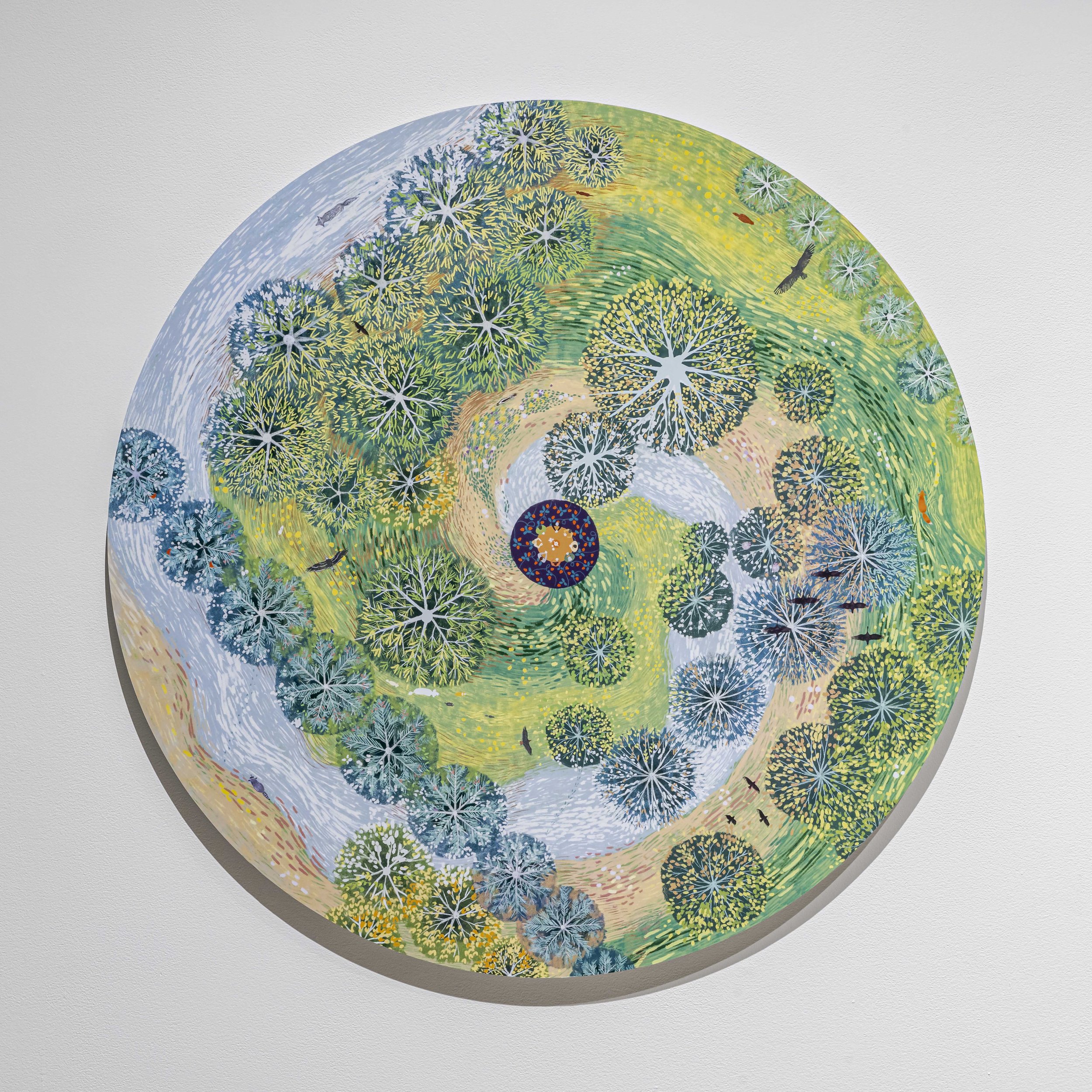
Ep. 207 : Journey With Our Kin with Dani Kastelein-Longlade and Amina Lalor
Dani Kastelein-Longlade and Amina Lalor along with with guest artists Katherine Rae Diemert and Brenda Mabel Reid have created an inspiring and beautiful exhibition, Journey With Our Kin, at the Queens Square Idea Exchange gallery in Cambridge Ontario. The exhibition is open until Feb. 5th, 2023.
I got to talk with Dani and Amina about their work at the exhibition, and about how getting to know the lands where we live may interrupt the colonial frameworks we daily navigate. We discuss relationships with the land, the Nokom’s House project we have all been a part of, and about their place in the world along with varied identities, passions, and work they take up.

Ep. 206 : Pileated Woodpecker Sign
Without much snow so far this winter, my tracking has been shifting towards other sign out on the land. Lately this has been signs on plants, scats, rubs, with a focus on Pileated Woodpecker feeding sign written in the bodies of the trees.
I first noticed this kind of sign along the Bruce trail many years ago, and then again in Algonquin Park. These days, I just see it everywhere, and through sharing what I am noticing with friends, colleagues and students, I am coming to realize that others just aren’t as excited as I am. So, maybe this show is just me sharing the excitement with potential others who may also get stoked to find this awesome sign of a pretty large bird who has made a pretty big comeback.
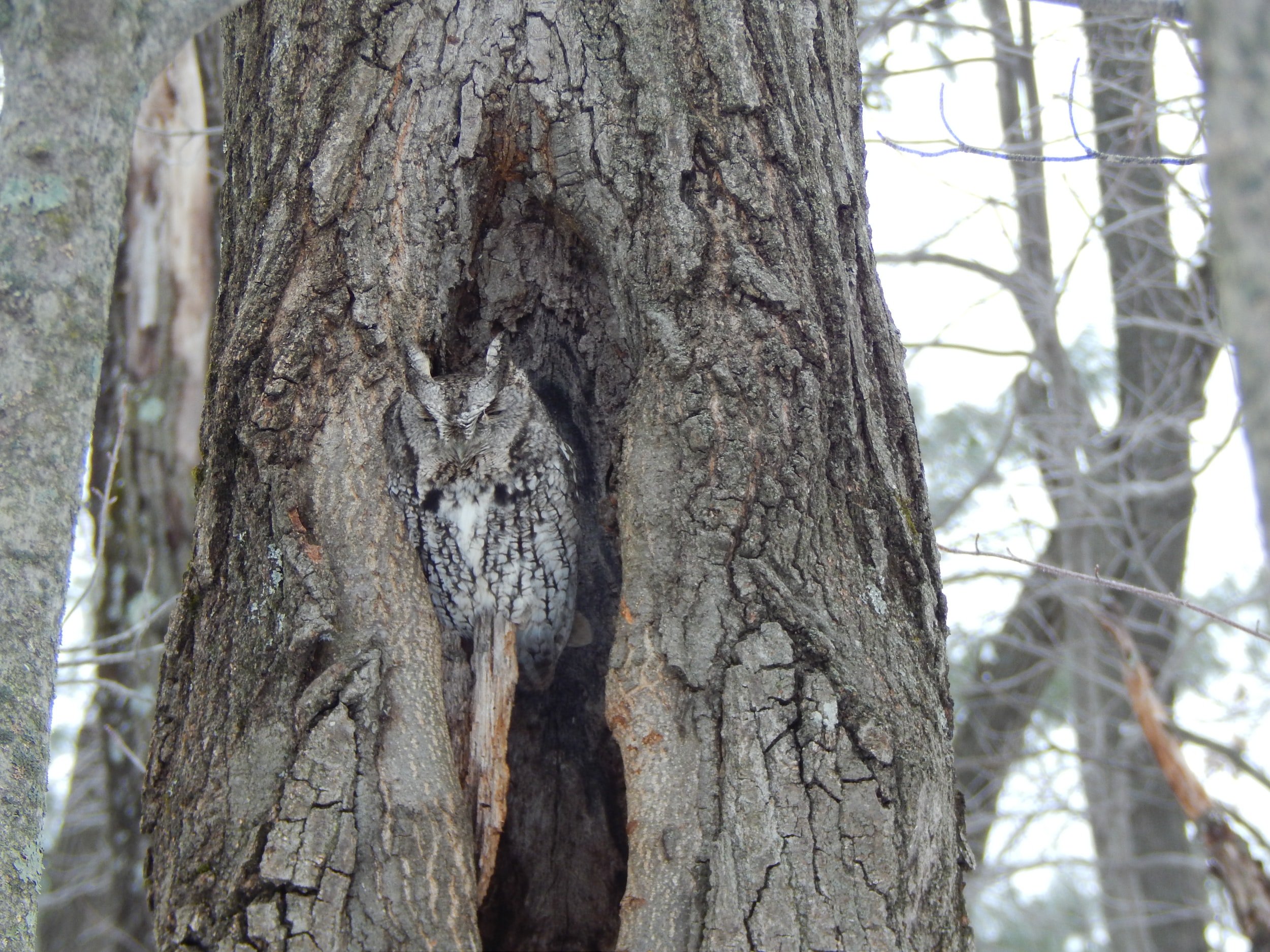
Ep. 205 : Eastern Screech Owl
I have a big affinity for the suburbs (I know, it’s weird), and the Eastern Screech feels like a suburban bird. They hang out along the riparian corridors with the tall older trees, hunting mice, crayfish, songbirds, and whomever else they can catch. I did the same when I grew up in Brampton, Ontario, but instead of mice, crayfish and songbirds, I was hunting for feral Apple trees, Wild Grapes, and anything else I could eat. I bet there were Screech’s along the Etobicoke Creek, too.
Last year, 2022, on January 4th, I recorded a show about Eastern Screech Owls which I only played on CFRU, 93.3 fm, which is the campus-community radio station where my show is broadcast. Turns out I never put it out online for some reason. Now this year, 2023, I was reading in bed when I heard the tell-tale monotonic trill of an Eastern Screech Owl out my window. This inspired me to record this new episode all about Eastern Screech Owls.
Ep. 204 : Winter Solstice
“Wither, wither, black flowering night. May your dark juices bleed, burn up like a pool on the summer plain, shrivel like a stain upon sand, dwindle to a basalt pebble, tiny as a slow-worms eye is. Vanish, to nothing.”
Personal rituals observing the season continue even if the public cannot. This is one of my favourite ways to use this platform, by honouring the creators who came before me and rebroadcasting their work. This the fourth? year that I get to play this radio play by Alison Mcleay, which was originally broadcast on BBC Scotland Saturday December 21st, 1985 at 10:30pm. I was two years old when this originally aired, and though my local CBC channel would sometimes play the BBC Wold News throughout the night, I don’t know if this would’ve been aired.
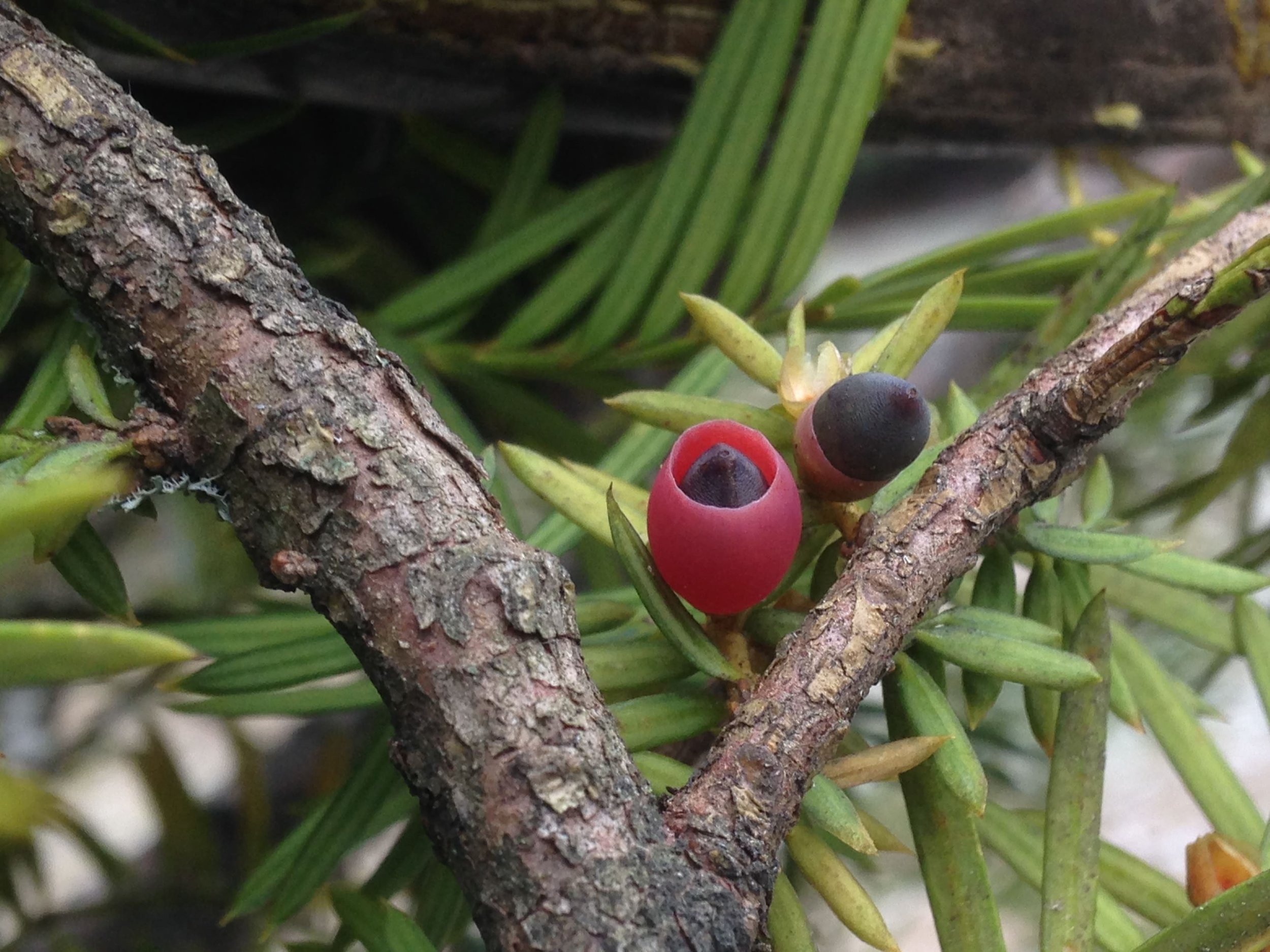
Ep. 203 : I’ve Been Thinkin ‘Bout Yew..
It started with a suggestion that I could learn a little about how to differentiate between Canada Yew, Eastern Hemlock, and Balsam Fir, but then it turned into a zany rabbit-hole of discovery, confusion and awe.
The Yew family, Taxaceae, is a beautiful family, holding long lines of mythos and medicines. I keep being challenged in my assumptions as I pull the threads of knowledge, and it excites me more and more the more I learn.
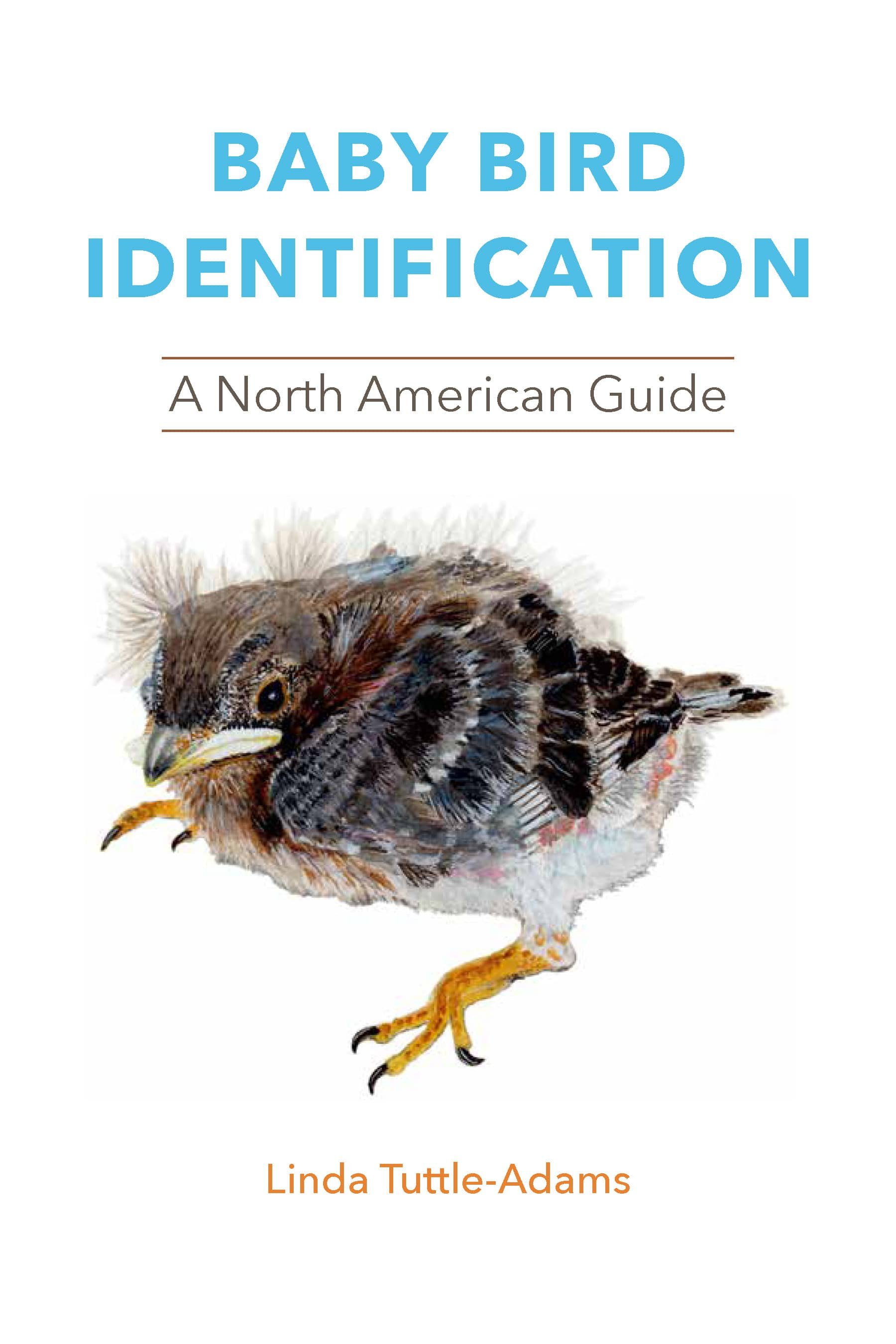
Ep. 202 : Baby Bird Identification with Linda Tuttle-Adams
It can be really hard to identify a baby bird, and that can be problematic in trying to identify the exact care needs the bird requires to flourish. Some birds may only feed their nestlings seeds, where as others require insects. Identification is key to the survival of many of the species of birds found across North America/Turtle Island every year. There are few resources and fewer accessible texts outside of academia to turn to, but with Linda Tuttle-Adam’s new book “Baby Bird Identification - A North American Guide” things just got easier.
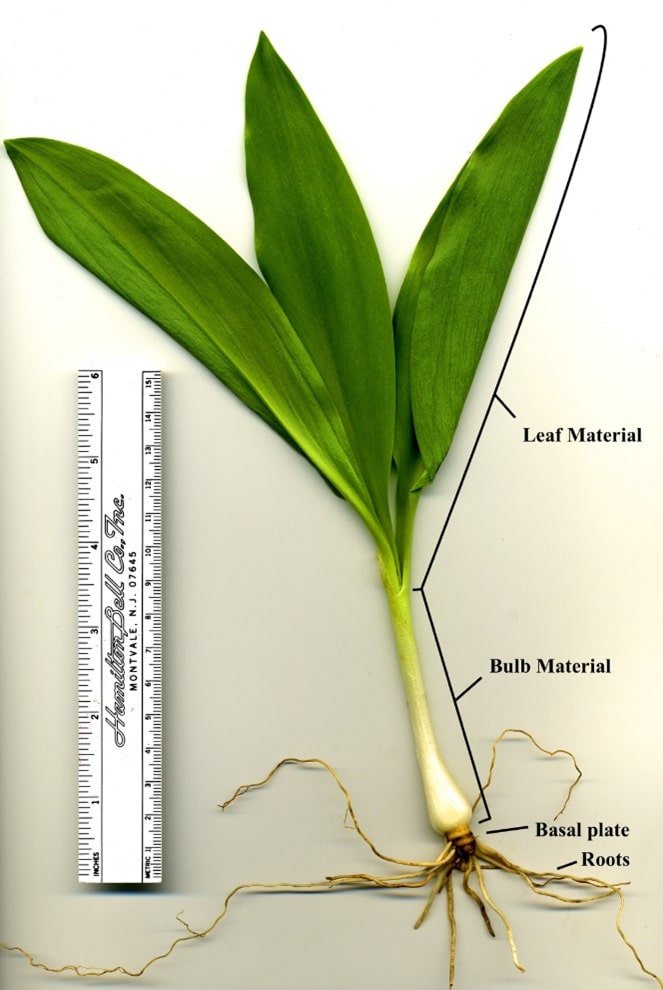
Ep. 201 : Harvesting for Conservation with Sarah Nilson and Eric Burkhart
“Fewer ramps per pound means more ramps in the ground”.
Ramps? Wild Leeks? Allium tricoccum? Whatever you call them, they are a type species for foraging and everyone wants to be in relationship with them. Often that means everyone is looking for them and trying to bring some home, or sell them at markets or fine restaurants, sometimes without care or consideration as to what is best for the Ramps themselves. But when we slow down, study, and learn the best ways to know and be in connection with a plant then it may even be possible to support plant populations while harvesting from them.
Sarah E. Nilson and Eric Burkhart join me for a conversation around when is the best time for commercial growers to be harvesting and why we it might be better to be harvesting at certain phenological stages rather than others. We talk about Ramps, their general ecology, why it is important to maintain relationships through harvesting, but in good ways that give the plants the best chance at sustained growth and genetic diversity.
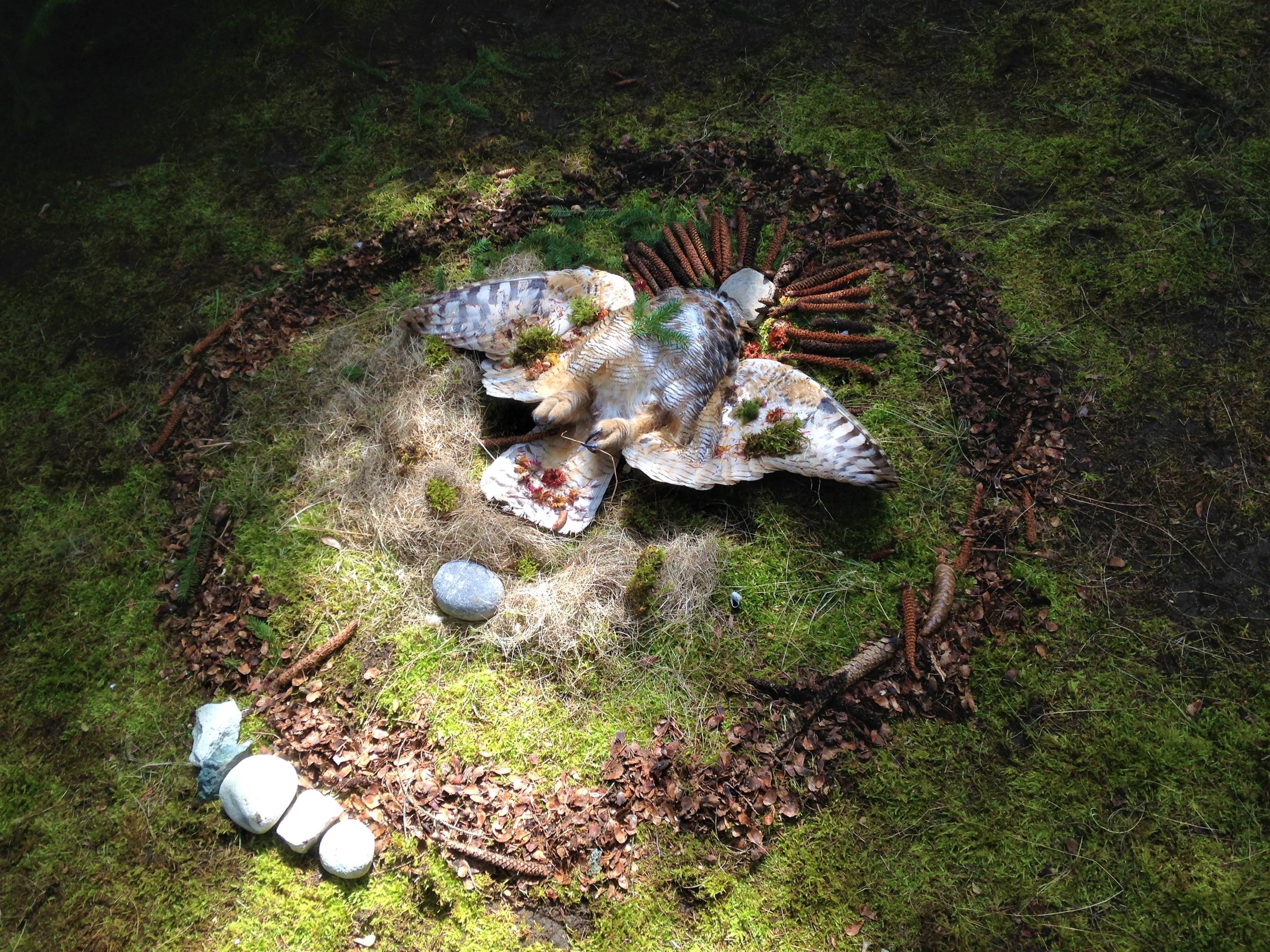
Ep. 200 : Lessons From A Dead Owl
This episode is a bit of a vulnerable one. I talk about some profound lessons which really impacted me, and shook some of my self image. I also feel a bit exposed by acknowledging I have honestly received some profound lessons from interactions with a dead Great Horned Owl.
Essentially the show is about theft, and honouring our values & commitments to the world around us, and how we want to be in relationship with those we share this world with and with those whom we teach and mentor. I feel that this story telling is because I did something I believe to be a grievous and intentional act against another, but it is also about learning from my mistakes and working towards repair.

Ep. 199 : Death and Decomposers
Tis’ the season to be considering the concepts of death and decay. We can smell it in the cool wet woods, and we can see it draped across the doorways along our streets. Skeletal trees sway with boney branches scratching at grey skies, and the dark is ever creeping in. Why not celebrate some of the most profound and interesting parties involved in this death and decomposition : Fungi!
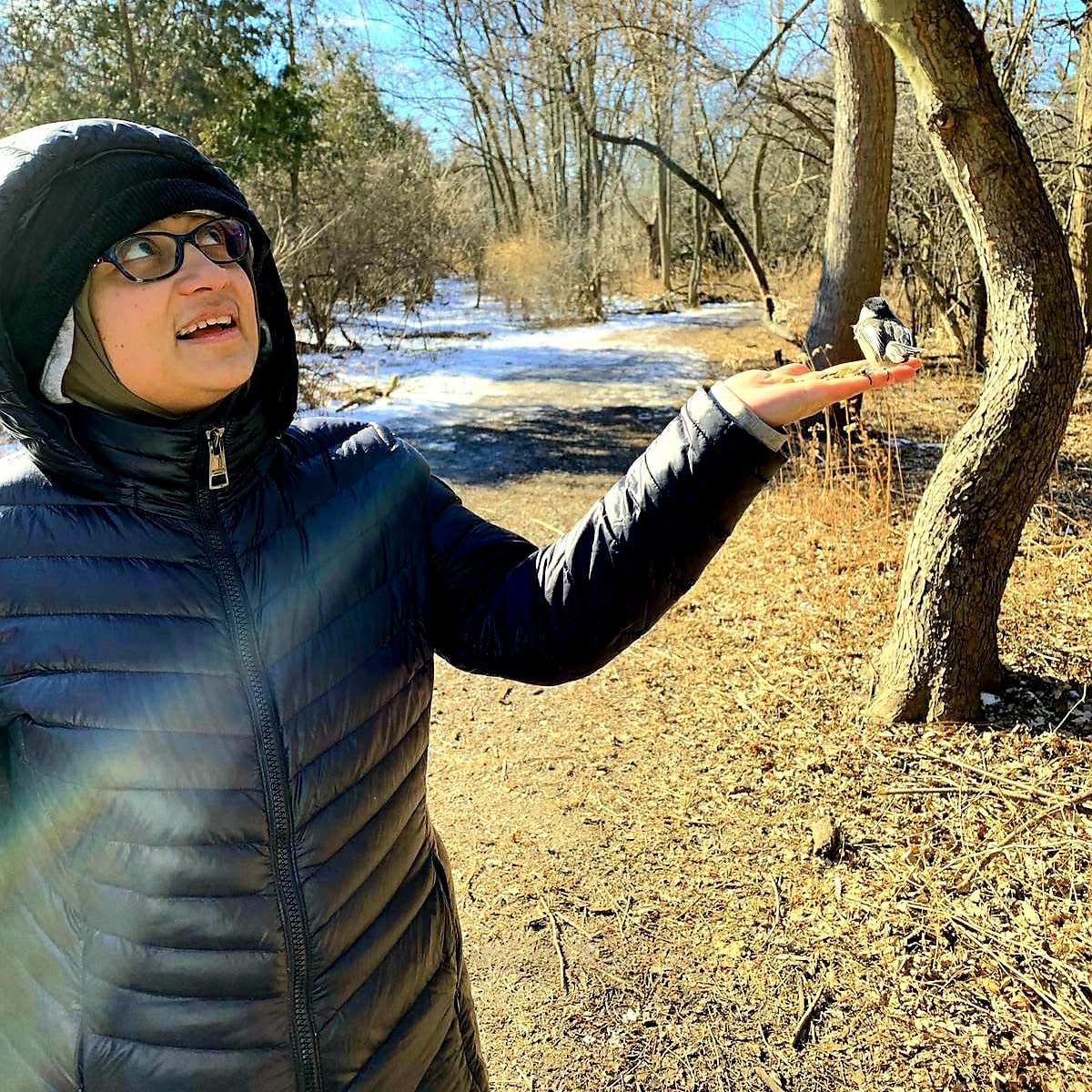
Ep. 198 : Understanding Ecopsychology with Memona Hossain
“One of the things we tend to do culturally, the framework is to separate humans from the earth and to see them as two separate entities, rather then seeing that as an interconnected relationship..”
My experience with Memona is that she is all about challenging that feeling of separateness and working towards restoring and remediating that disconnect between the sacred Earth and us humans who may have forgotten it. She has described Ecopsychology in the past as “the area of study that explores the connective, holistic relationship between humans and the Earth,” and her passion really drives that home, albeit in a very open way, often allowing the land to lead in that remembering and reconciling.
Ep. 197 : Sit Spots
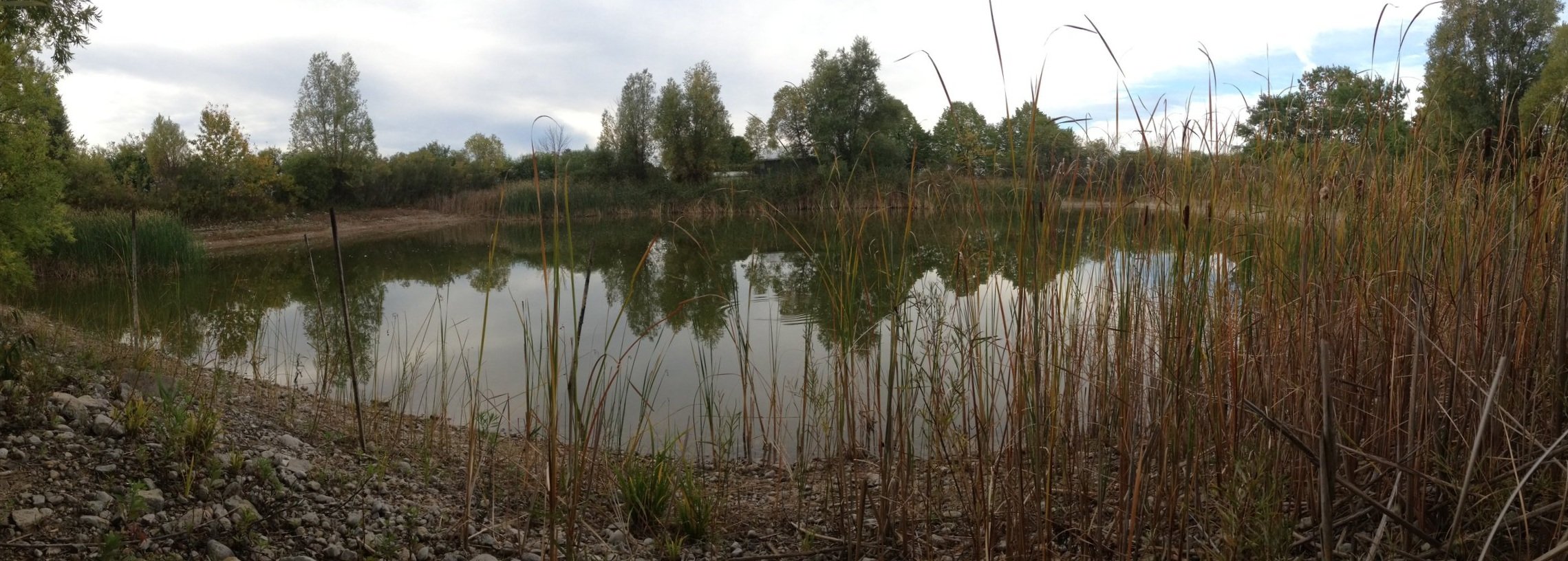
It’s easy, pretty accessible and turns out to be a lot of fun and often full of learning. A sit spot, or magic spot, or secret spot or whatever else you might call it is simple. Just go find your sit spot, close to home, accessible and easy and then sit there, quietly.
Nature is everywhere, and we can notice it in all sorts of ways. Be it our balcony, backyard or a bench at the park. Find a spot you can go to reliably and find a nice place to sit.
Doesn’t really matter where you are even. Friends have done sit spots from their kitchen windows, from their prison cells, from balconies 9 stories up. It is an extremely valuable practice that I would wholly endorse to anyone seeking to learn more about the land.
Ep. 196 : Hair Scale Identification Guide to Terrestrial Mammalian Carnivores of Canada with Justin Kestler
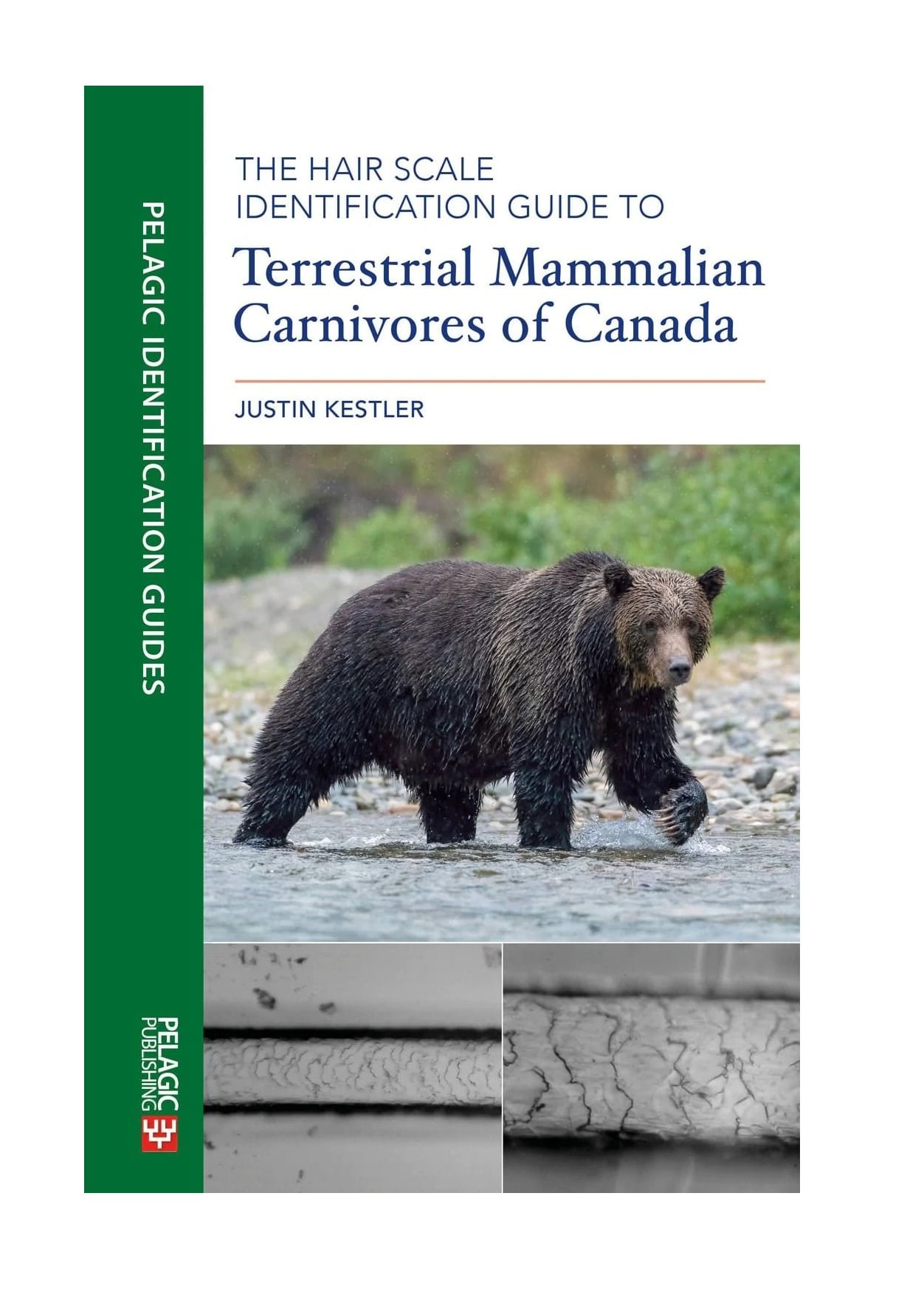
Justin Kestler and I got to talk about his new book The Hair Scale Identification Guide to Terrestrial Mammalian Carnivores of Canada. This concise book is a quick guide to interpreting the origin of hairs based on the morphology of scales along the cuticle (outer side) of the hair. It’s not like a fingerprint per se, which attempts to identify an individual human, but instead may help to identify a species. This is because the scale structure is different across species but not so much individuals of that species. Make sense?
We talked about the process of documenting the hair scales, acquiring the hairs, and a bit about ecological traits which might be indicated through the characteristics of the hairs. It was really fun to nerd out about the finer details of hairs. The book, and the interview have really pushed me to keep a hair journal and begin looking for a microscope. Maybe in the future…
Ep. 195 : Gallformers.org
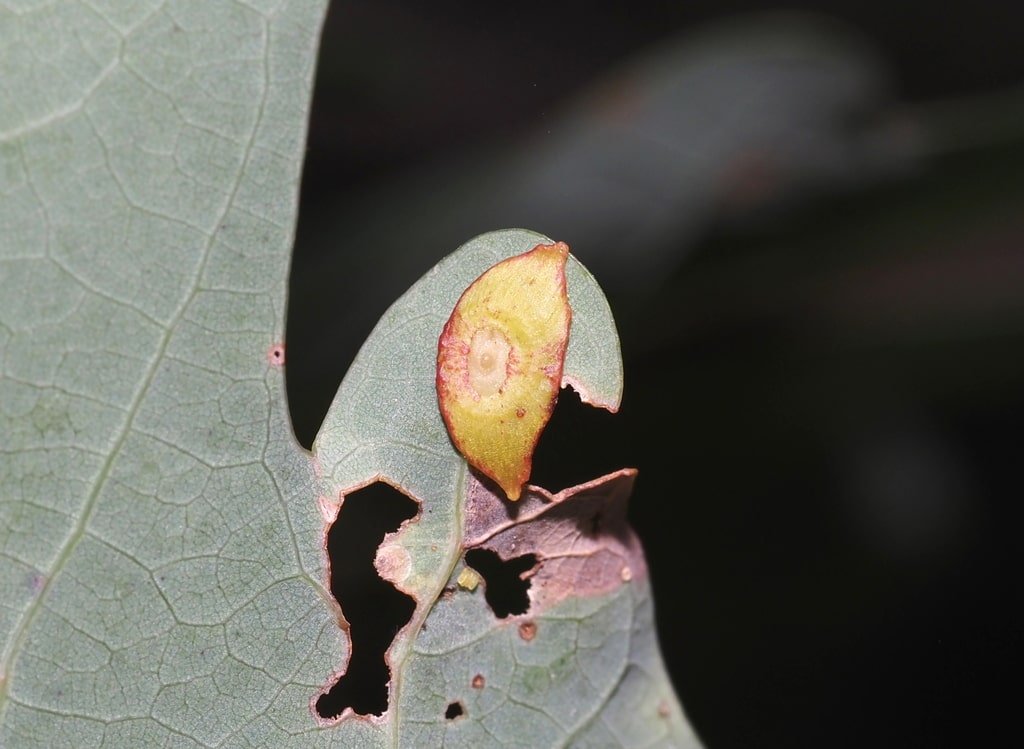
Gallformers.org has been referred to me by a few friends over the past few months as they helped me to identify some unknown galls I have found in the field. I have written about galls on this website many times as well, usually having to refer back to gallformers.org finally figure out who made them.
My appreciation and curiosity surrounding galls and their ecologies could just go nowhere if I didn’t have tools and resources to help me find answers to my curiosities, but because of Adam and Jeff at gallformers.org I have been able to keep going down the gall makers emergence hole and am consistently learning so much as I go.

Other platforms where you can listen to the show :


As well as : Pocket casts : RadioPublic : ListenNotes : Podcast Republic